

No results were found for the filter!
NEW
 pT336/pT338-LPA4 (phospho-Lysophosphatidic Acid...
 Threonine336/Threonine338 (T336/T338) is major phosphorylation site of the Lysophosphatidic Acid Receptor 4 (LPA4). The pT336/pT338-LPA4 antibody detects phosphorylation in response to agonists. T336/T338 phosphorylation is likely to be...
£ 335.00 *
NEW
 pS354/pT357/pT358-LPA4...
 Serine354/Threonine357/Threonine358 (S354/T357/T358) is major phosphorylation site of the Lysophosphatidic Acid Receptor 4 (LPA4). The pS354/pT357/pT358-LPA4 antibody detects phosphorylation in response to agonists. S354/T357/T358...
£ 335.00 *
NEW
 pT341/pT342/pS345-LPA4...
 Threonine341/Threonine342/Serine345 (T341/T342/S345) is major phosphorylation site of the Lysophosphatidic Acid Receptor 4 (LPA4). The pT341/pT342/pS345-LPA4 antibody detects phosphorylation in response to agonists. T341/T342/S345...
£ 335.00 *
NEW
 LPA4 (non-phospho), Lysophosphatidic Acid...
 The non-phospho-LPA4 receptor antibody is directed against the distal end of the carboxyl-terminal tail of human LPA4. It can be used to detect total LPA4 receptors in Western blots independent of phosphorylation. The LPA4 antibody can...
£ 335.00 *
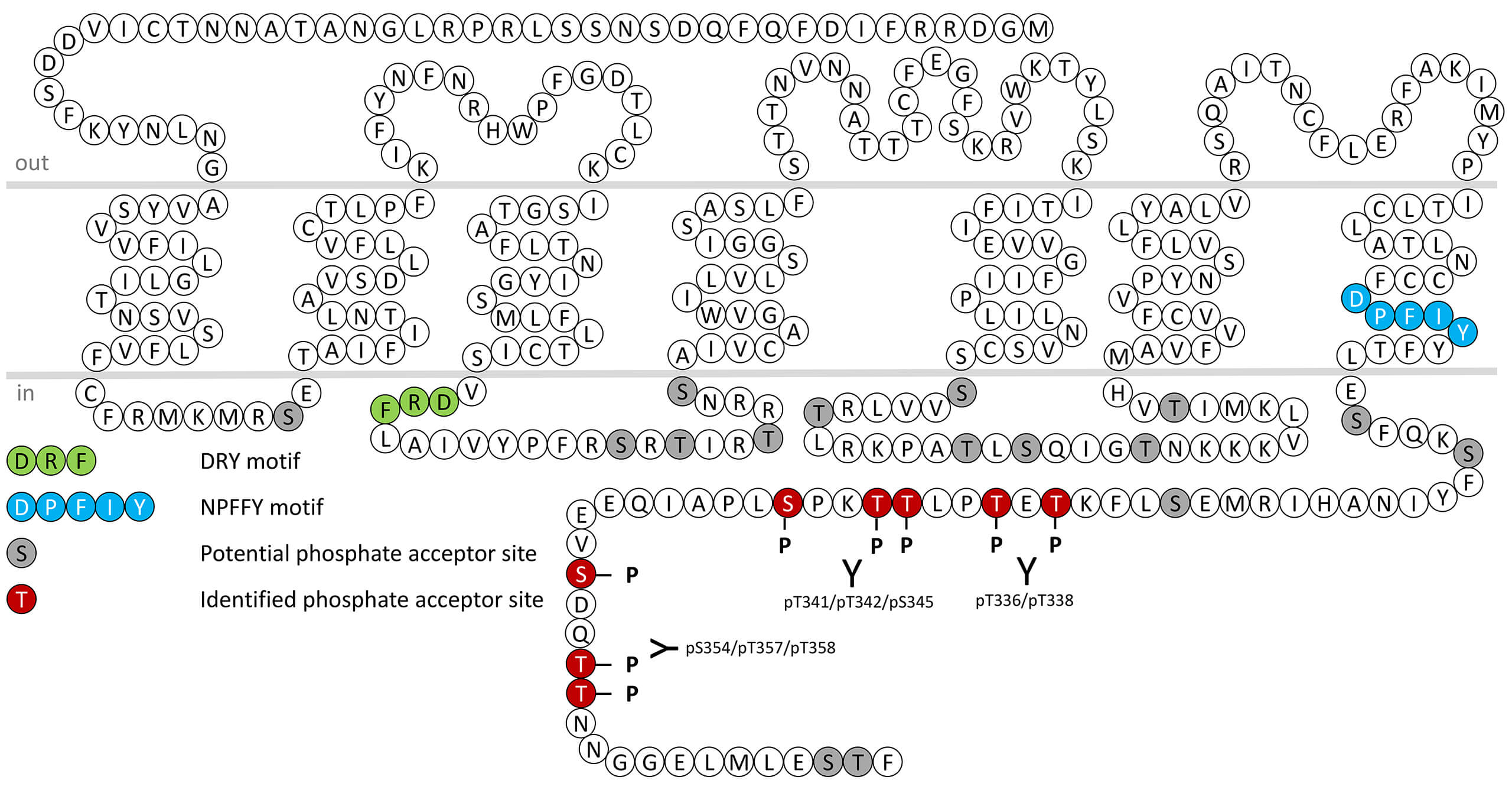 The lysophosphatidic acid receptor 4 (LPA₄), encoded by the LPAR4 gene, is a class A G protein–coupled receptor (GPCR) that binds lysophosphatidic acid (LPA), although with distinct signaling properties compared to the classical LPA₁–₃ receptors. LPA₄ couples to multiple G proteins, including G12/13, Gq/11, and Gs, activating pathways such as RhoA, phospholipase C (PLC), MAPK/ERK, and cAMP production, which regulate cell shape, motility, proliferation, and differentiation. LPA₄ is expressed in a range of tissues, including bone, lung, spleen, heart, and the nervous system, as well as in endothelial and mesenchymal stem cells, highlighting roles in development and tissue homeostasis. Functionally, LPA₄ has been implicated in vascular development, osteogenesis, and neural differentiation, and it can modulate cell adhesion and migration differently from LPA₁–₃, often exerting inhibitory effects on motility in certain cell types. In pathological contexts, LPA₄ may influence cancer progression, fibrosis, and vascular remodeling, although its role is less well characterized than LPA₁–₃. Pharmacological studies using synthetic agonists and receptor knockouts have helped define its contribution to stem cell differentiation and tissue morphogenesis. LPA₄ also demonstrates cross-talk with other LPA receptors, adding complexity to lipid signaling networks. Overall, LPA₄ acts as a versatile lipid-sensing receptor involved in development, tissue architecture, and cell motility regulation, with potential implications for regenerative medicine and disease modulation. For more information on LPA4 pharmacology please refer to the
 Recently viewed