Premium Phosphosite-Specific 7TM Antibodies
Your Resource for GPCR Research
Select Your Country of Delivery below

Immuno-Grade Somatostatin Receptor 5 Antibody

Close filters
No results were found for the filter!
Rabbit Monoclonal
KO-Validated
NEW
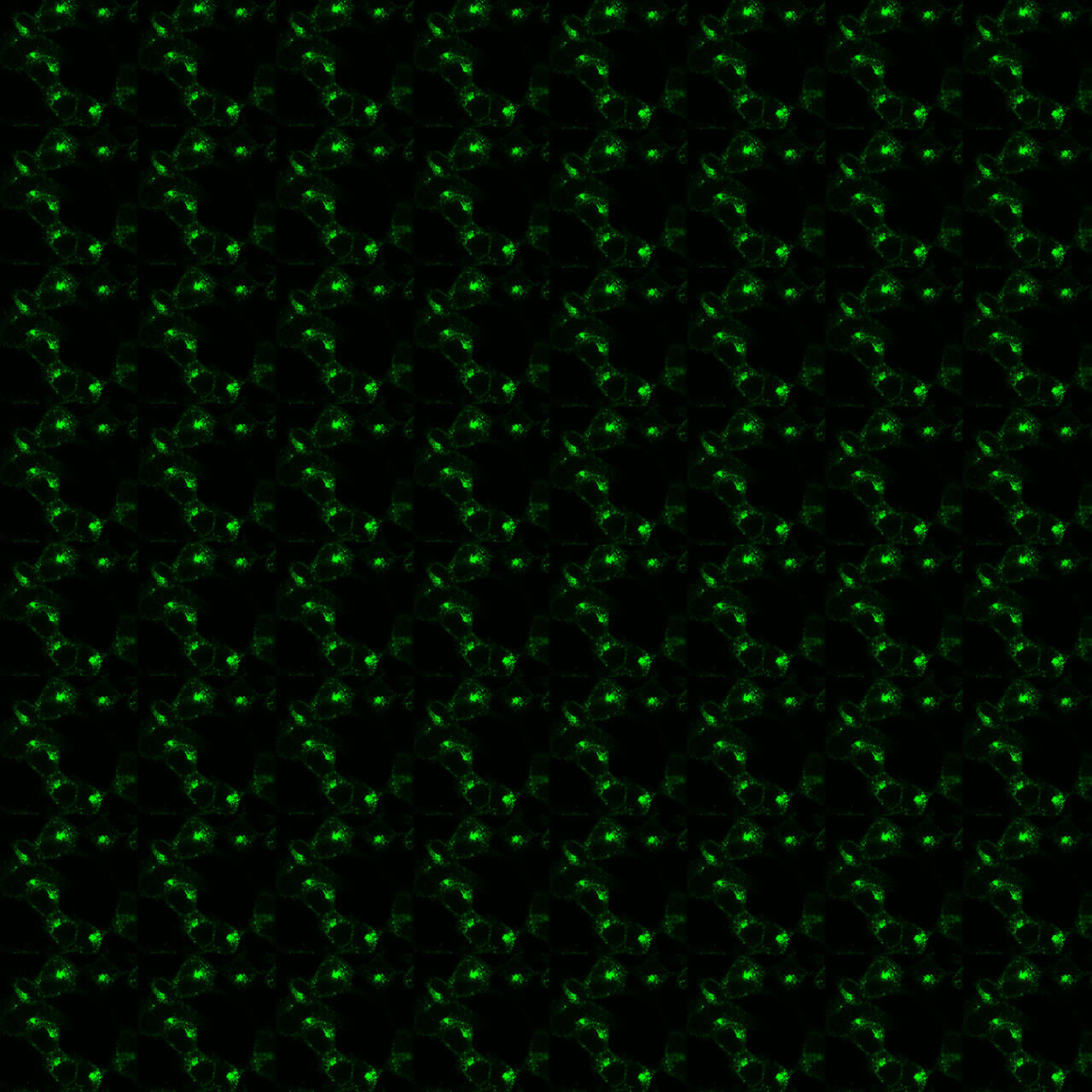
Immunohistochemical identification of Somatostatin Receptor 5 in human pancreatic islets
SST5 [UMB44] (RM-IHC-grade), Somatostatin...
The SST5 receptor antibody is directed against the distal end of the carboxyl-terminal tail of human Somatostatin Receptor 5. In can be used to detect total SST5 receptors in Western blots independent of phosphorylation. The SST5...
£ 495.00 *
Citations
KO-Validated
SST5 (IHC-grade), Somatostatin Receptor 5 Antibody
The SST5 receptor antibody is directed against the distal end of the carboxyl-terminal tail of human Somatostatin Receptor 5. In can be used to detect total SST5 receptors in Western blots independent of phosphorylation. The SST5...
£ 335.00 *

The somatostatin receptor subtype 5 (SST5, SSTR5) is a class A G protein-coupled receptor (GPCR) that is activated by the endogenous peptides somatostatin-14 and somatostatin-28. SST5 primarily couples to Gi/o proteins, leading to inhibition of adenylyl cyclase, reduced intracellular cAMP levels, modulation of calcium and potassium channels, and activation of MAPK- and phosphotyrosine phosphatase-dependent signaling pathways. The receptor is highly expressed in the anterior pituitary, pancreatic islets, gastrointestinal tract, adrenal gland, and hypothalamus, and is frequently overexpressed in pituitary adenomas and neuroendocrine tumors. Functionally, SST5 plays a major role in the inhibition of hormone secretion, particularly growth hormone, adrenocorticotropic hormone (ACTH), insulin, glucagon, and gastrointestinal peptides, and it also contributes to the regulation of cell proliferation and apoptosis. SST5 is an important therapeutic target for endocrine disorders, especially acromegaly and Cushing's disease. Several clinically approved somatostatin analogs interact with SST5, including pasireotide, which displays the highest affinity for this receptor subtype and is approved for the treatment of acromegaly and Cushing's disease. In contrast, octreotide and lanreotide primarily target SST2 but also exhibit moderate affinity for SST5. In addition, selective experimental SST5 agonists such as L-817,818 and BIM-23268 have been widely used to investigate SST5 pharmacology, although no SST5-selective agonist has yet been approved for clinical use.

The somatostatin receptor subtype 5 (SST5, SSTR5) is a class A G protein-coupled receptor (GPCR) that is activated by the endogenous peptides somatostatin-14 and somatostatin-28. SST5 primarily... read more »
Close window
Immuno-Grade Somatostatin Receptor 5 Antibody

The somatostatin receptor subtype 5 (SST5, SSTR5) is a class A G protein-coupled receptor (GPCR) that is activated by the endogenous peptides somatostatin-14 and somatostatin-28. SST5 primarily couples to Gi/o proteins, leading to inhibition of adenylyl cyclase, reduced intracellular cAMP levels, modulation of calcium and potassium channels, and activation of MAPK- and phosphotyrosine phosphatase-dependent signaling pathways. The receptor is highly expressed in the anterior pituitary, pancreatic islets, gastrointestinal tract, adrenal gland, and hypothalamus, and is frequently overexpressed in pituitary adenomas and neuroendocrine tumors. Functionally, SST5 plays a major role in the inhibition of hormone secretion, particularly growth hormone, adrenocorticotropic hormone (ACTH), insulin, glucagon, and gastrointestinal peptides, and it also contributes to the regulation of cell proliferation and apoptosis. SST5 is an important therapeutic target for endocrine disorders, especially acromegaly and Cushing's disease. Several clinically approved somatostatin analogs interact with SST5, including pasireotide, which displays the highest affinity for this receptor subtype and is approved for the treatment of acromegaly and Cushing's disease. In contrast, octreotide and lanreotide primarily target SST2 but also exhibit moderate affinity for SST5. In addition, selective experimental SST5 agonists such as L-817,818 and BIM-23268 have been widely used to investigate SST5 pharmacology, although no SST5-selective agonist has yet been approved for clinical use.

Recently viewed