Premium Phosphosite-Specific 7TM Antibodies
Your Resource for GPCR Research
Select Your Country of Delivery below

GPR156 Receptor Antibodies

Close filters
No results were found for the filter!
NEW
GPR156 (non-phospho), G protein-coupled Receptor 156 Antibody
GPR156 (non-phospho), G protein-coupled...
The non-phospho-GPR156 receptor antibody is directed against the distal end of the carboxyl-terminal tail of human GPR156. It can be used to detect total GPR156 receptors in Western blots independent of phosphorylation. The GPR156...
£ 335.00 *
GPR156, also known as GABAB-like receptor (GABABL), is an orphan class C GPCR that is structurally related to the GABAB receptor family but does not function as a conventional GABA receptor. Unlike most class C GPCRs, GPR156 lacks the large extracellular ligand-binding domain and shows pronounced constitutive activity in the absence of an identified agonist. The receptor preferentially couples to Gi/o proteins, resulting in inhibition of adenylyl cyclase and modulation of downstream signaling pathways. GPR156 is expressed predominantly in neuronal and glial cell populations, with particularly relevant expression in the inner ear, including mechanosensory hair cells of the cochlea and vestibular system. In the cochlea, GPR156 is part of an EMX2–GPR156–Gi signaling pathway that controls the polarized orientation of sensory hair cells and is essential for the normal organization of the auditory sensory epithelium. Genetic disruption of GPR156 impairs hair-cell orientation and has been associated with abnormal hearing function and congenital or early-onset sensorineural hearing loss. Structural studies indicate that GPR156 can exist in a constitutively active state and may function as a transducer of membrane phospholipid signals rather than being activated by a classical extracellular ligand. No endogenous ligand has been definitively identified, and there are currently no validated selective agonists or antagonists for GPR156. Consequently, no approved drug or clinical-stage compound targeting GPR156 is currently available, although its constitutive Gi/o activity and role in auditory development make it an interesting potential target for future studies of hearing disorders and sensory-cell biology. For more information on GPR156 pharmacology please refer to the IUPHAR database. For further reading refer to:

Davenport AP, Alexander SP, Sharman JL, Pawson AJ, Benson HE, Monaghan AE, Liew WC, Mpamhanga CP, Bonner TI, Neubig RR, Pin JP, Spedding M, Harmar AJ. International Union of Basic and Clinical Pharmacology. LXXXVIII. G protein-coupled receptor list: recommendations for new pairings with cognate ligands. Pharmacol Rev. 2013 May 17;65(3):967-86. doi: 10.1124/pr.112.007179. PMID: 23686350; PMCID: PMC3698937.

Alexander SP, Battey J, Benson HE, Benya RV, Bonner TI, Davenport AP, Dhanachandra Singh K, Eguchi S, Harmar A, Holliday N, Jensen RT, Karnik S, Kostenis E, Liew WC, Monaghan AE, Mpamhanga C, Neubig R, Pawson AJ, Pin JP, Sharman JL, Spedding M, Spindel E, Stoddart L, Storjohann L, Thomas WG, Tirupula K, Vanderheyden P. Class A Orphans in GtoPdb v.2023.1. IUPHAR/BPS Guide to Pharmacology CITE. 2023; 2023(1). Available from: https://doi.org/10.2218/gtopdb/F16/2023.1.

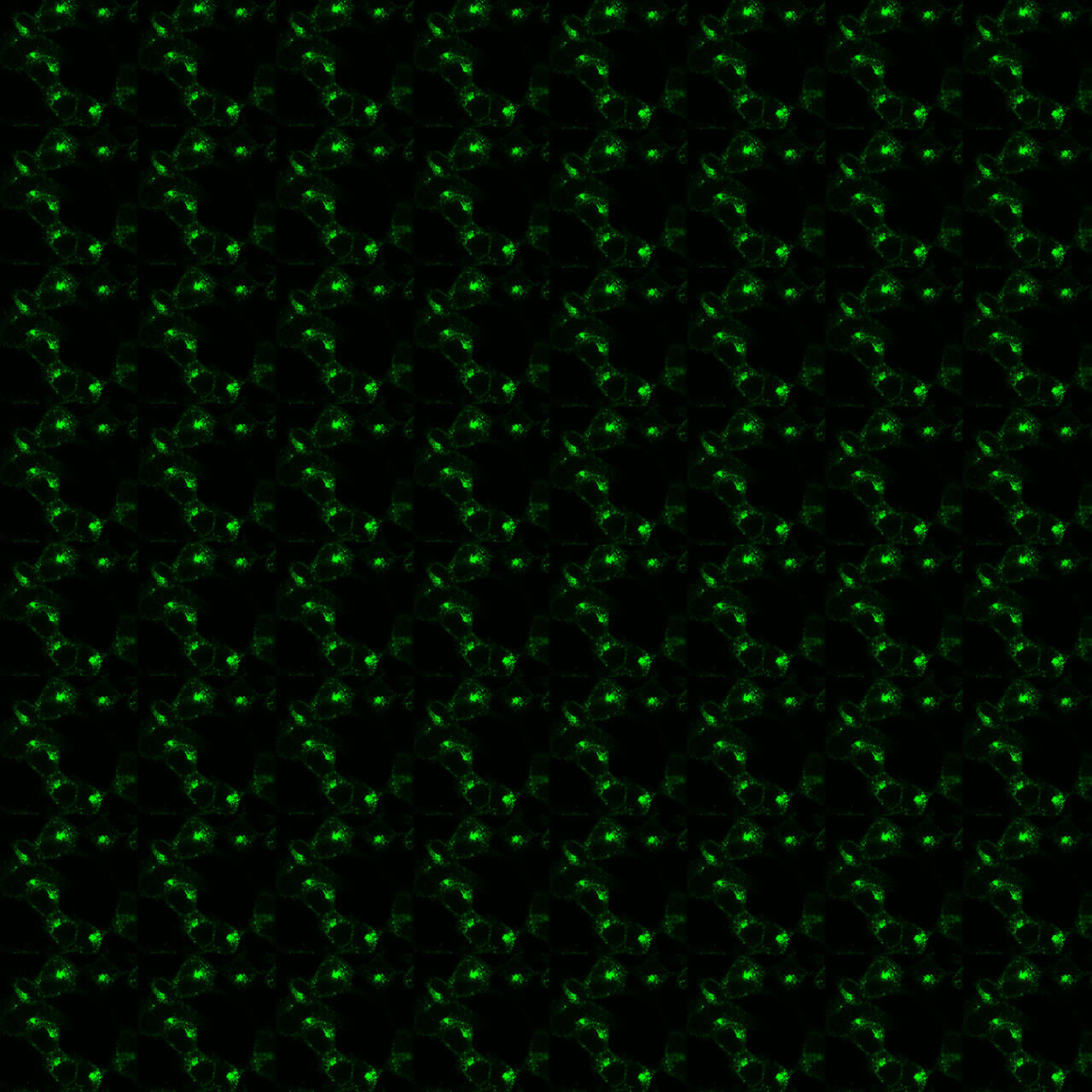
GPR156, also known as GABAB-like receptor (GABABL), is an orphan class C GPCR that is structurally related to the GABAB receptor family but does not function as a conventional GABA receptor.... read more »
Close window
GPR156 Receptor Antibodies
GPR156, also known as GABAB-like receptor (GABABL), is an orphan class C GPCR that is structurally related to the GABAB receptor family but does not function as a conventional GABA receptor. Unlike most class C GPCRs, GPR156 lacks the large extracellular ligand-binding domain and shows pronounced constitutive activity in the absence of an identified agonist. The receptor preferentially couples to Gi/o proteins, resulting in inhibition of adenylyl cyclase and modulation of downstream signaling pathways. GPR156 is expressed predominantly in neuronal and glial cell populations, with particularly relevant expression in the inner ear, including mechanosensory hair cells of the cochlea and vestibular system. In the cochlea, GPR156 is part of an EMX2–GPR156–Gi signaling pathway that controls the polarized orientation of sensory hair cells and is essential for the normal organization of the auditory sensory epithelium. Genetic disruption of GPR156 impairs hair-cell orientation and has been associated with abnormal hearing function and congenital or early-onset sensorineural hearing loss. Structural studies indicate that GPR156 can exist in a constitutively active state and may function as a transducer of membrane phospholipid signals rather than being activated by a classical extracellular ligand. No endogenous ligand has been definitively identified, and there are currently no validated selective agonists or antagonists for GPR156. Consequently, no approved drug or clinical-stage compound targeting GPR156 is currently available, although its constitutive Gi/o activity and role in auditory development make it an interesting potential target for future studies of hearing disorders and sensory-cell biology. For more information on GPR156 pharmacology please refer to the IUPHAR database. For further reading refer to:

Davenport AP, Alexander SP, Sharman JL, Pawson AJ, Benson HE, Monaghan AE, Liew WC, Mpamhanga CP, Bonner TI, Neubig RR, Pin JP, Spedding M, Harmar AJ. International Union of Basic and Clinical Pharmacology. LXXXVIII. G protein-coupled receptor list: recommendations for new pairings with cognate ligands. Pharmacol Rev. 2013 May 17;65(3):967-86. doi: 10.1124/pr.112.007179. PMID: 23686350; PMCID: PMC3698937.

Alexander SP, Battey J, Benson HE, Benya RV, Bonner TI, Davenport AP, Dhanachandra Singh K, Eguchi S, Harmar A, Holliday N, Jensen RT, Karnik S, Kostenis E, Liew WC, Monaghan AE, Mpamhanga C, Neubig R, Pawson AJ, Pin JP, Sharman JL, Spedding M, Spindel E, Stoddart L, Storjohann L, Thomas WG, Tirupula K, Vanderheyden P. Class A Orphans in GtoPdb v.2023.1. IUPHAR/BPS Guide to Pharmacology CITE. 2023; 2023(1). Available from: https://doi.org/10.2218/gtopdb/F16/2023.1.

Recently viewed