Premium Phosphosite-Specific 7TM Antibodies
Your Resource for GPCR Research
Select Your Country of Delivery below

GPR68 Receptor Antibodies

Close filters
No results were found for the filter!
NEW
GPR68 (non-phospho), G protein-coupled Receptor 68 Antibody
GPR68 (non-phospho), G protein-coupled Receptor...
The non-phospho-GPR68 receptor antibody is directed against the distal end of the carboxyl-terminal tail of human GPR68. It can be used to detect total GPR68 receptors in Western blots independent of phosphorylation. The GPR68 antibody...
£ 335.00 *
GPR68, also known as OGR1 (ovarian cancer G-protein-coupled receptor 1), is a proton-sensing class A GPCR that detects extracellular acidification, with substantial activation occurring at mildly acidic pH values around 6.5–7.0. The receptor is widely expressed, with particularly relevant expression in vascular cells, airway smooth muscle, fibroblasts, osteoblasts, immune cells and various cancer cells. GPR68 predominantly signals through Gq/11 to activate phospholipase C, IP3 formation and intracellular Ca2+, but coupling to Gs and Gi proteins has also been reported. Through these pathways, GPR68 regulates processes including cell proliferation, contraction, migration, inflammation, bone remodeling and tissue fibrosis. Its expression and activity are particularly relevant in acidic microenvironments such as inflamed tissues and solid tumors, where GPR68 can influence tumor growth, immune responses and stromal cell function. GPR68 has also been implicated in airway smooth muscle contraction and proliferation, making it a potential target for asthma and other obstructive pulmonary diseases. Pharmacologically, no endogenous ligand other than extracellular protons has been firmly established, and previously proposed lipid ligands such as sphingosylphosphorylcholine are no longer considered validated. Several synthetic modulators are available, most notably the positive allosteric modulator ogerin, while benzodiazepines such as lorazepam can also allosterically modulate GPR68 and sulazepam has been described as a more signaling-biased modulator. However, no selective GPR68-targeting drug has yet been approved or clinically established, making GPR68 an interesting emerging target for inflammatory, pulmonary, fibrotic, metabolic and cancer indications. For more information on GPR68 pharmacology please refer to the IUPHAR database. For further reading refer to:

Davenport AP, Alexander SP, Sharman JL, Pawson AJ, Benson HE, Monaghan AE, Liew WC, Mpamhanga CP, Bonner TI, Neubig RR, Pin JP, Spedding M, Harmar AJ. International Union of Basic and Clinical Pharmacology. LXXXVIII. G protein-coupled receptor list: recommendations for new pairings with cognate ligands. Pharmacol Rev. 2013 May 17;65(3):967-86. doi: 10.1124/pr.112.007179. PMID: 23686350; PMCID: PMC3698937.

Alexander SP, Battey J, Benson HE, Benya RV, Bonner TI, Davenport AP, Dhanachandra Singh K, Eguchi S, Harmar A, Holliday N, Jensen RT, Karnik S, Kostenis E, Liew WC, Monaghan AE, Mpamhanga C, Neubig R, Pawson AJ, Pin JP, Sharman JL, Spedding M, Spindel E, Stoddart L, Storjohann L, Thomas WG, Tirupula K, Vanderheyden P. Class A Orphans in GtoPdb v.2023.1. IUPHAR/BPS Guide to Pharmacology CITE. 2023; 2023(1). Available from: https://doi.org/10.2218/gtopdb/F16/2023.1.

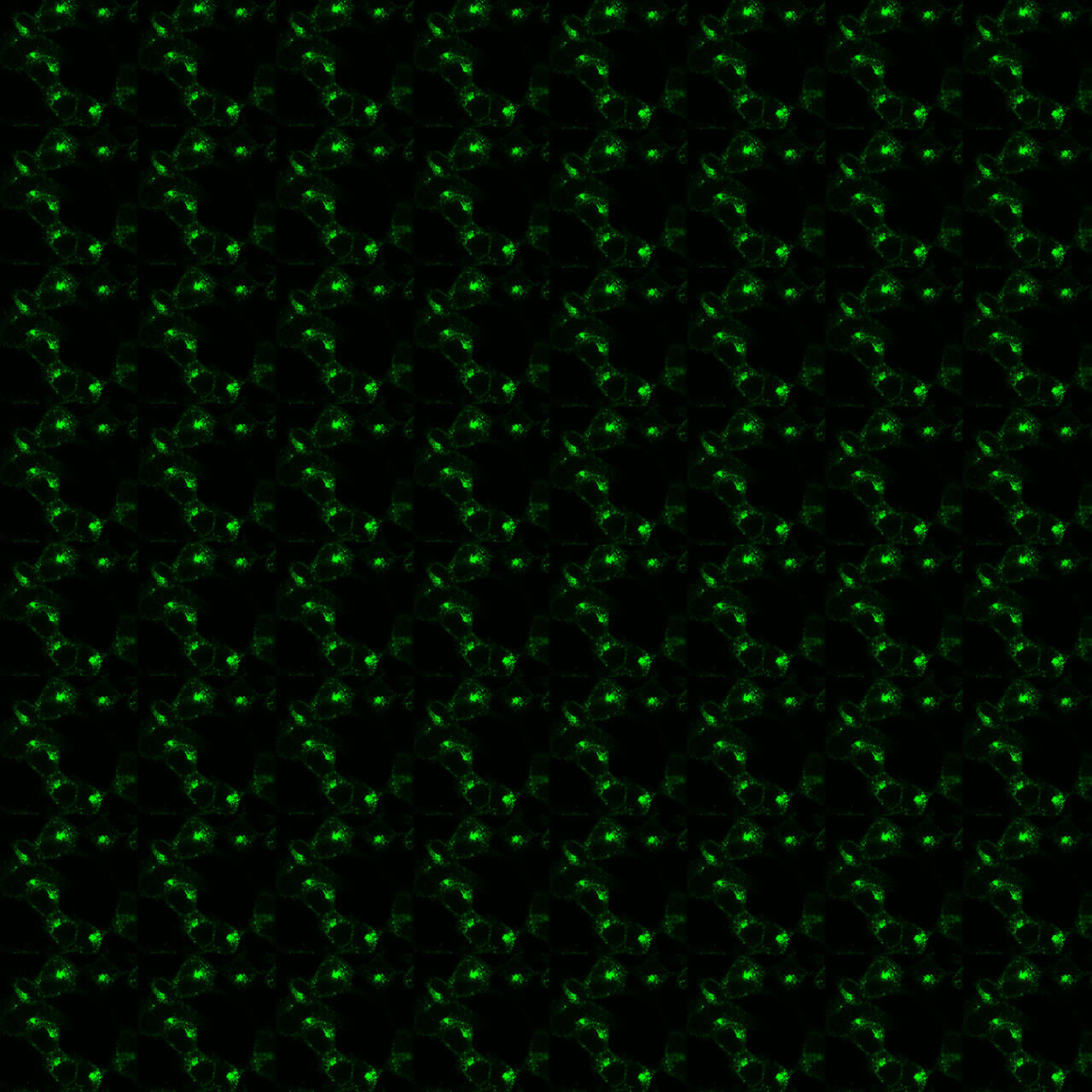
GPR68, also known as OGR1 (ovarian cancer G-protein-coupled receptor 1), is a proton-sensing class A GPCR that detects extracellular acidification, with substantial activation occurring at mildly... read more »
Close window
GPR68 Receptor Antibodies
GPR68, also known as OGR1 (ovarian cancer G-protein-coupled receptor 1), is a proton-sensing class A GPCR that detects extracellular acidification, with substantial activation occurring at mildly acidic pH values around 6.5–7.0. The receptor is widely expressed, with particularly relevant expression in vascular cells, airway smooth muscle, fibroblasts, osteoblasts, immune cells and various cancer cells. GPR68 predominantly signals through Gq/11 to activate phospholipase C, IP3 formation and intracellular Ca2+, but coupling to Gs and Gi proteins has also been reported. Through these pathways, GPR68 regulates processes including cell proliferation, contraction, migration, inflammation, bone remodeling and tissue fibrosis. Its expression and activity are particularly relevant in acidic microenvironments such as inflamed tissues and solid tumors, where GPR68 can influence tumor growth, immune responses and stromal cell function. GPR68 has also been implicated in airway smooth muscle contraction and proliferation, making it a potential target for asthma and other obstructive pulmonary diseases. Pharmacologically, no endogenous ligand other than extracellular protons has been firmly established, and previously proposed lipid ligands such as sphingosylphosphorylcholine are no longer considered validated. Several synthetic modulators are available, most notably the positive allosteric modulator ogerin, while benzodiazepines such as lorazepam can also allosterically modulate GPR68 and sulazepam has been described as a more signaling-biased modulator. However, no selective GPR68-targeting drug has yet been approved or clinically established, making GPR68 an interesting emerging target for inflammatory, pulmonary, fibrotic, metabolic and cancer indications. For more information on GPR68 pharmacology please refer to the IUPHAR database. For further reading refer to:

Davenport AP, Alexander SP, Sharman JL, Pawson AJ, Benson HE, Monaghan AE, Liew WC, Mpamhanga CP, Bonner TI, Neubig RR, Pin JP, Spedding M, Harmar AJ. International Union of Basic and Clinical Pharmacology. LXXXVIII. G protein-coupled receptor list: recommendations for new pairings with cognate ligands. Pharmacol Rev. 2013 May 17;65(3):967-86. doi: 10.1124/pr.112.007179. PMID: 23686350; PMCID: PMC3698937.

Alexander SP, Battey J, Benson HE, Benya RV, Bonner TI, Davenport AP, Dhanachandra Singh K, Eguchi S, Harmar A, Holliday N, Jensen RT, Karnik S, Kostenis E, Liew WC, Monaghan AE, Mpamhanga C, Neubig R, Pawson AJ, Pin JP, Sharman JL, Spedding M, Spindel E, Stoddart L, Storjohann L, Thomas WG, Tirupula K, Vanderheyden P. Class A Orphans in GtoPdb v.2023.1. IUPHAR/BPS Guide to Pharmacology CITE. 2023; 2023(1). Available from: https://doi.org/10.2218/gtopdb/F16/2023.1.

Recently viewed