Premium Phosphosite-Specific 7TM Antibodies
Your Resource for GPCR Research
Select Your Country of Delivery below

GPR148 Receptor Antibodies

Close filters
No results were found for the filter!
NEW
GPR148 (non-phospho), G protein-coupled Receptor 148 Antibody
GPR148 (non-phospho), G protein-coupled...
The non-phospho-GPR148 receptor antibody is directed against the distal end of the carboxyl-terminal tail of human GPR148. It can be used to detect total GPR148 receptors in Western blots independent of phosphorylation. The GPR148...
£ 335.00 *
NEW
GPR148 (IHC-Grade), G protein-coupled Receptor 148 Antibody
GPR148 (IHC-Grade), G protein-coupled Receptor...
The non-phospho-GPR148 receptor antibody is directed against the distal end of the carboxyl-terminal tail of human GPR148. It can be used to detect total GPR148 receptors in Western blots independent of phosphorylation. The GPR148...
£ 335.00 *

GPR148, also known as PGR6 or brain and testis restricted GPCR, is a poorly characterized class A orphan G protein-coupled receptor with no established endogenous ligand or validated selective agonists or antagonists. Early studies reported expression in the human brain and testes, suggesting potential roles in neuronal and reproductive physiology. However, the Human Protein Atlas classifies GPR148 RNA as undetected in its consensus tissue dataset and cannot reliably establish its tissue protein distribution, indicating that its expression pattern remains insufficiently resolved. Its physiological G-protein coupling, downstream signaling pathways, and potential constitutive activity have not been convincingly established. Receptor regulation, including GRK-dependent phosphorylation, β-arrestin recruitment, desensitization, and internalization, likewise remains largely uncharacterized. Although maresin 1 initially produced a screening signal at GPR148, subsequent concentration-response experiments failed to confirm significant receptor activation. Rare chromosome 2q21.1 deletions and duplications encompassing GPR148 and several neighboring genes have been associated with developmental delay, intellectual disability, ADHD, autism, and epilepsy. These findings suggest possible neurodevelopmental relevance but do not establish a causal contribution of GPR148 itself. No approved GPR148-targeted medicines or publicly documented drug candidates in clinical or preclinical development have been identified, and the receptor remains an exploratory target requiring basic functional validation. For more information on GPR148 pharmacology please refer to the IUPHAR database. For further reading refer to:

Davenport AP, Alexander SP, Sharman JL, Pawson AJ, Benson HE, Monaghan AE, Liew WC, Mpamhanga CP, Bonner TI, Neubig RR, Pin JP, Spedding M, Harmar AJ. International Union of Basic and Clinical Pharmacology. LXXXVIII. G protein-coupled receptor list: recommendations for new pairings with cognate ligands. Pharmacol Rev. 2013 May 17;65(3):967-86. doi: 10.1124/pr.112.007179. PMID: 23686350; PMCID: PMC3698937.

Alexander SP, Battey J, Benson HE, Benya RV, Bonner TI, Davenport AP, Dhanachandra Singh K, Eguchi S, Harmar A, Holliday N, Jensen RT, Karnik S, Kostenis E, Liew WC, Monaghan AE, Mpamhanga C, Neubig R, Pawson AJ, Pin JP, Sharman JL, Spedding M, Spindel E, Stoddart L, Storjohann L, Thomas WG, Tirupula K, Vanderheyden P. Class A Orphans in GtoPdb v.2023.1. IUPHAR/BPS Guide to Pharmacology CITE. 2023; 2023(1). Available from: https://doi.org/10.2218/gtopdb/F16/2023.1.

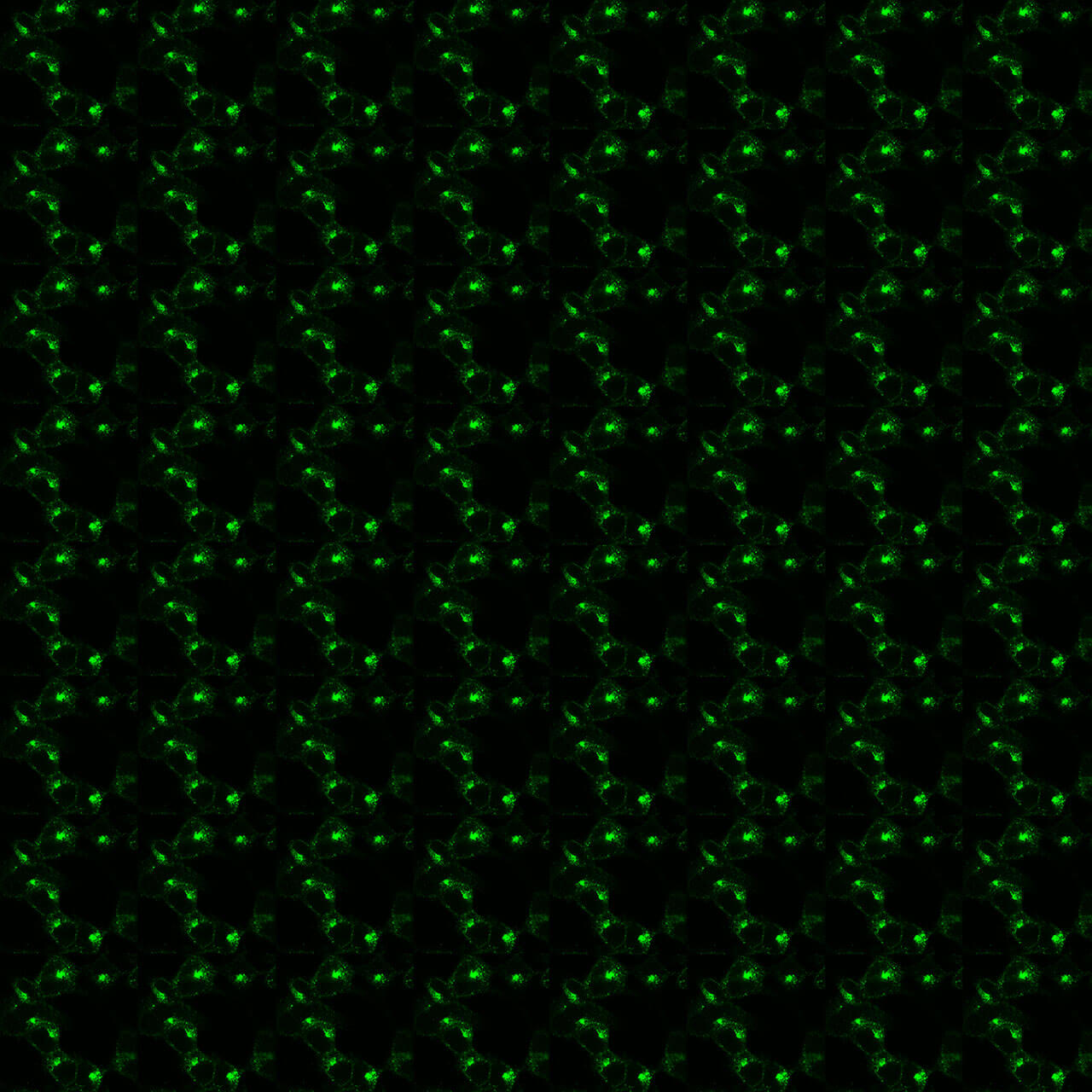
GPR148, also known as PGR6 or brain and testis restricted GPCR, is a poorly characterized class A orphan G protein-coupled receptor with no established endogenous ligand or validated selective... read more »
Close window
GPR148 Receptor Antibodies

GPR148, also known as PGR6 or brain and testis restricted GPCR, is a poorly characterized class A orphan G protein-coupled receptor with no established endogenous ligand or validated selective agonists or antagonists. Early studies reported expression in the human brain and testes, suggesting potential roles in neuronal and reproductive physiology. However, the Human Protein Atlas classifies GPR148 RNA as undetected in its consensus tissue dataset and cannot reliably establish its tissue protein distribution, indicating that its expression pattern remains insufficiently resolved. Its physiological G-protein coupling, downstream signaling pathways, and potential constitutive activity have not been convincingly established. Receptor regulation, including GRK-dependent phosphorylation, β-arrestin recruitment, desensitization, and internalization, likewise remains largely uncharacterized. Although maresin 1 initially produced a screening signal at GPR148, subsequent concentration-response experiments failed to confirm significant receptor activation. Rare chromosome 2q21.1 deletions and duplications encompassing GPR148 and several neighboring genes have been associated with developmental delay, intellectual disability, ADHD, autism, and epilepsy. These findings suggest possible neurodevelopmental relevance but do not establish a causal contribution of GPR148 itself. No approved GPR148-targeted medicines or publicly documented drug candidates in clinical or preclinical development have been identified, and the receptor remains an exploratory target requiring basic functional validation. For more information on GPR148 pharmacology please refer to the IUPHAR database. For further reading refer to:

Davenport AP, Alexander SP, Sharman JL, Pawson AJ, Benson HE, Monaghan AE, Liew WC, Mpamhanga CP, Bonner TI, Neubig RR, Pin JP, Spedding M, Harmar AJ. International Union of Basic and Clinical Pharmacology. LXXXVIII. G protein-coupled receptor list: recommendations for new pairings with cognate ligands. Pharmacol Rev. 2013 May 17;65(3):967-86. doi: 10.1124/pr.112.007179. PMID: 23686350; PMCID: PMC3698937.

Alexander SP, Battey J, Benson HE, Benya RV, Bonner TI, Davenport AP, Dhanachandra Singh K, Eguchi S, Harmar A, Holliday N, Jensen RT, Karnik S, Kostenis E, Liew WC, Monaghan AE, Mpamhanga C, Neubig R, Pawson AJ, Pin JP, Sharman JL, Spedding M, Spindel E, Stoddart L, Storjohann L, Thomas WG, Tirupula K, Vanderheyden P. Class A Orphans in GtoPdb v.2023.1. IUPHAR/BPS Guide to Pharmacology CITE. 2023; 2023(1). Available from: https://doi.org/10.2218/gtopdb/F16/2023.1.

Recently viewed