Premium Phosphosite-Specific 7TM Antibodies
Your Resource for GPCR Research
Select Your Country of Delivery below

GPR63 Receptor Antibodies

Close filters
No results were found for the filter!
NEW
GPR63 (non-phospho), G protein-coupled Receptor 63 Antibody
GPR63 (non-phospho), G protein-coupled...
The non-phospho-GPR63 receptor antibody is directed against the distal end of the carboxyl-terminal tail of human GPR63. It can be used to detect total GPR63 receptors in Western blots independent of phosphorylation. The GPR63 antibody...
£ 335.00 *
NEW
GPR63 (IHC-Grade), G protein-coupled Receptor 63 Antibody
GPR63 (IHC-Grade), G protein-coupled Receptor...
The non-phospho-GPR63 receptor antibody is directed against the distal end of the carboxyl-terminal tail of human GPR63. It can be used to detect total GPR63 receptors in Western blots independent of phosphorylation. The GPR63 antibody...
£ 335.00 *

G protein-coupled receptor 63 (GPR63), formerly known as PSP24β and encoded by GPR63, is a class A orphan receptor with no conclusively established endogenous ligand. Sphingosine 1-phosphate and dioleoylphosphatidic acid were reported as low-potency agonists, but these responses were not reproduced in a β-arrestin recruitment assay. Its native G protein coupling and downstream signaling therefore remain incompletely characterized. GPR63 transcripts have been detected in the brain, including cortical and subcortical regions. Recombinant mouse GPR63 localizes to primary cilia in cultured cells, suggesting a possible role in ciliary signaling. Genetic studies show that Gpr63 variants modify the severity of microcephaly in Ttc21b-mutant mice, linking the receptor to brain development in this specific context. The mechanisms regulating receptor phosphorylation, desensitization, and trafficking in native tissues remain poorly understood. No GPR63-selective drug has been reported to enter clinical trials or receive approval for therapeutic use. For more information on GPR63 pharmacology please refer to the IUPHAR database. For further reading refer to: 

Davenport AP, Alexander SP, Sharman JL, Pawson AJ, Benson HE, Monaghan AE, Liew WC, Mpamhanga CP, Bonner TI, Neubig RR, Pin JP, Spedding M, Harmar AJ. International Union of Basic and Clinical Pharmacology. LXXXVIII. G protein-coupled receptor list: recommendations for new pairings with cognate ligands. Pharmacol Rev. 2013 May 17;65(3):967-86. doi: 10.1124/pr.112.007179. PMID: 23686350; PMCID: PMC3698937.

Alexander SP, Battey J, Benson HE, Benya RV, Bonner TI, Davenport AP, Dhanachandra Singh K, Eguchi S, Harmar A, Holliday N, Jensen RT, Karnik S, Kostenis E, Liew WC, Monaghan AE, Mpamhanga C, Neubig R, Pawson AJ, Pin JP, Sharman JL, Spedding M, Spindel E, Stoddart L, Storjohann L, Thomas WG, Tirupula K, Vanderheyden P. Class A Orphans in GtoPdb v.2023.1. IUPHAR/BPS Guide to Pharmacology CITE. 2023; 2023(1). Available from: https://doi.org/10.2218/gtopdb/F16/2023.1.

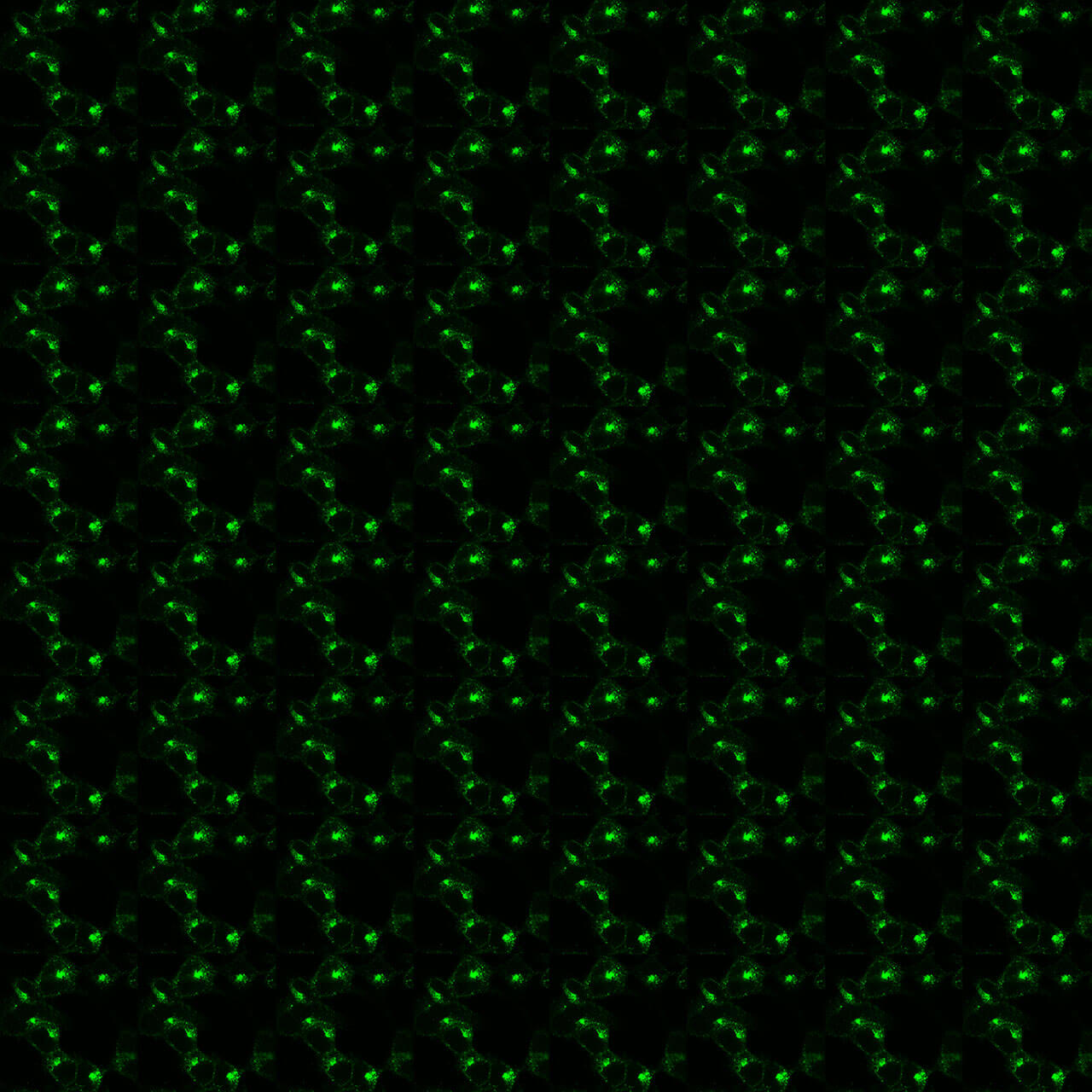
G protein-coupled receptor 63 (GPR63), formerly known as PSP24β and encoded by GPR63 , is a class A orphan receptor with no conclusively established endogenous ligand. Sphingosine 1-phosphate and... read more »
Close window
GPR63 Receptor Antibodies

G protein-coupled receptor 63 (GPR63), formerly known as PSP24β and encoded by GPR63, is a class A orphan receptor with no conclusively established endogenous ligand. Sphingosine 1-phosphate and dioleoylphosphatidic acid were reported as low-potency agonists, but these responses were not reproduced in a β-arrestin recruitment assay. Its native G protein coupling and downstream signaling therefore remain incompletely characterized. GPR63 transcripts have been detected in the brain, including cortical and subcortical regions. Recombinant mouse GPR63 localizes to primary cilia in cultured cells, suggesting a possible role in ciliary signaling. Genetic studies show that Gpr63 variants modify the severity of microcephaly in Ttc21b-mutant mice, linking the receptor to brain development in this specific context. The mechanisms regulating receptor phosphorylation, desensitization, and trafficking in native tissues remain poorly understood. No GPR63-selective drug has been reported to enter clinical trials or receive approval for therapeutic use. For more information on GPR63 pharmacology please refer to the IUPHAR database. For further reading refer to: 

Davenport AP, Alexander SP, Sharman JL, Pawson AJ, Benson HE, Monaghan AE, Liew WC, Mpamhanga CP, Bonner TI, Neubig RR, Pin JP, Spedding M, Harmar AJ. International Union of Basic and Clinical Pharmacology. LXXXVIII. G protein-coupled receptor list: recommendations for new pairings with cognate ligands. Pharmacol Rev. 2013 May 17;65(3):967-86. doi: 10.1124/pr.112.007179. PMID: 23686350; PMCID: PMC3698937.

Alexander SP, Battey J, Benson HE, Benya RV, Bonner TI, Davenport AP, Dhanachandra Singh K, Eguchi S, Harmar A, Holliday N, Jensen RT, Karnik S, Kostenis E, Liew WC, Monaghan AE, Mpamhanga C, Neubig R, Pawson AJ, Pin JP, Sharman JL, Spedding M, Spindel E, Stoddart L, Storjohann L, Thomas WG, Tirupula K, Vanderheyden P. Class A Orphans in GtoPdb v.2023.1. IUPHAR/BPS Guide to Pharmacology CITE. 2023; 2023(1). Available from: https://doi.org/10.2218/gtopdb/F16/2023.1.

Recently viewed